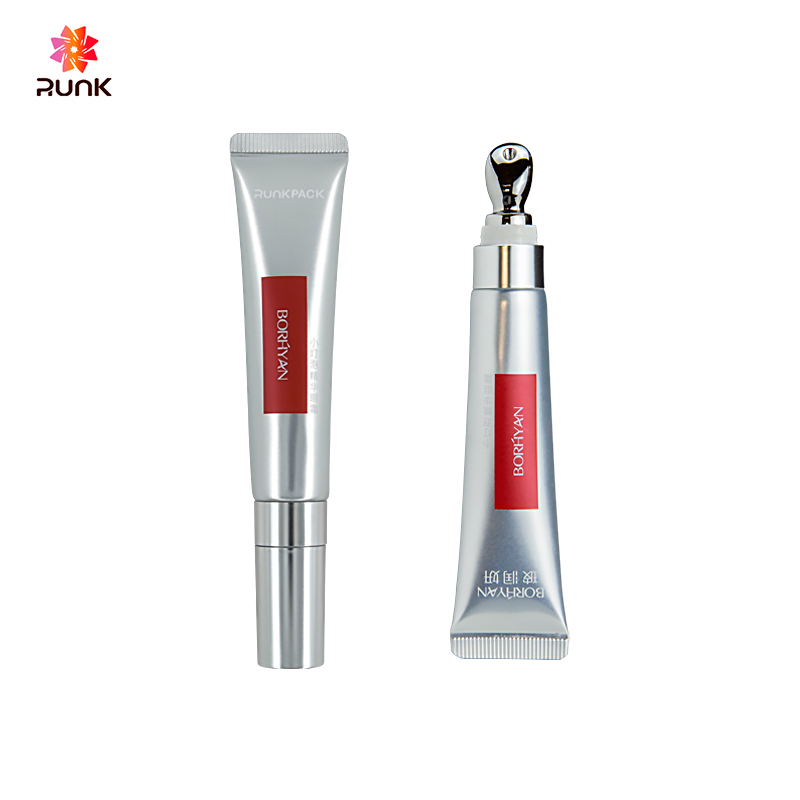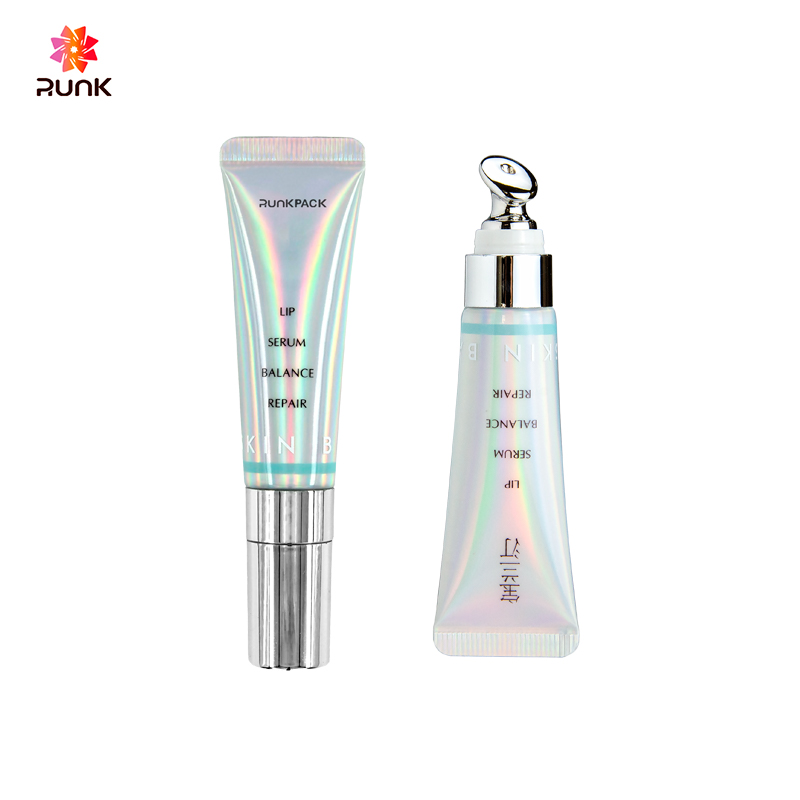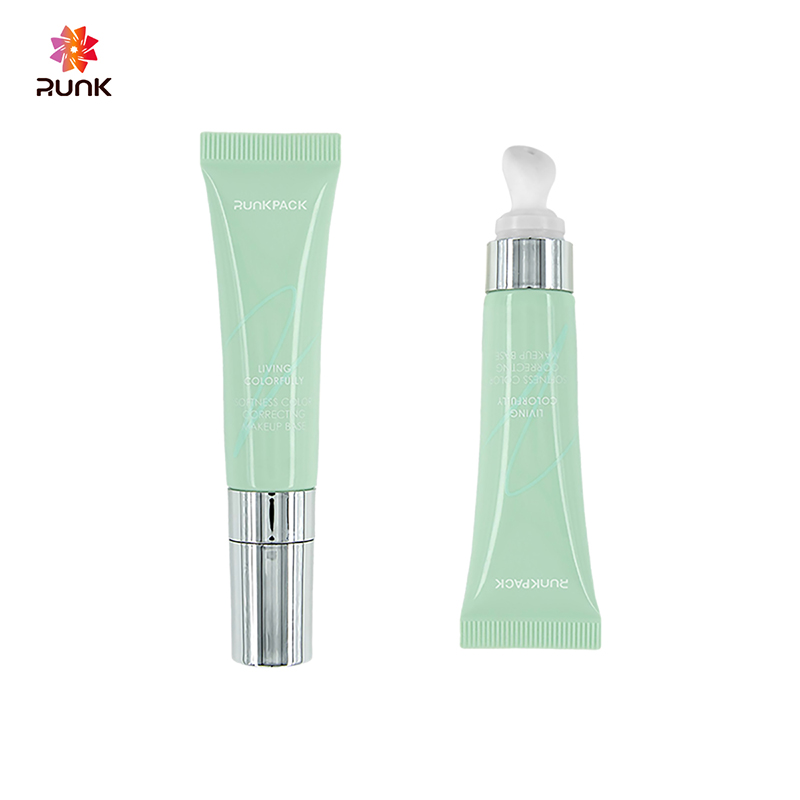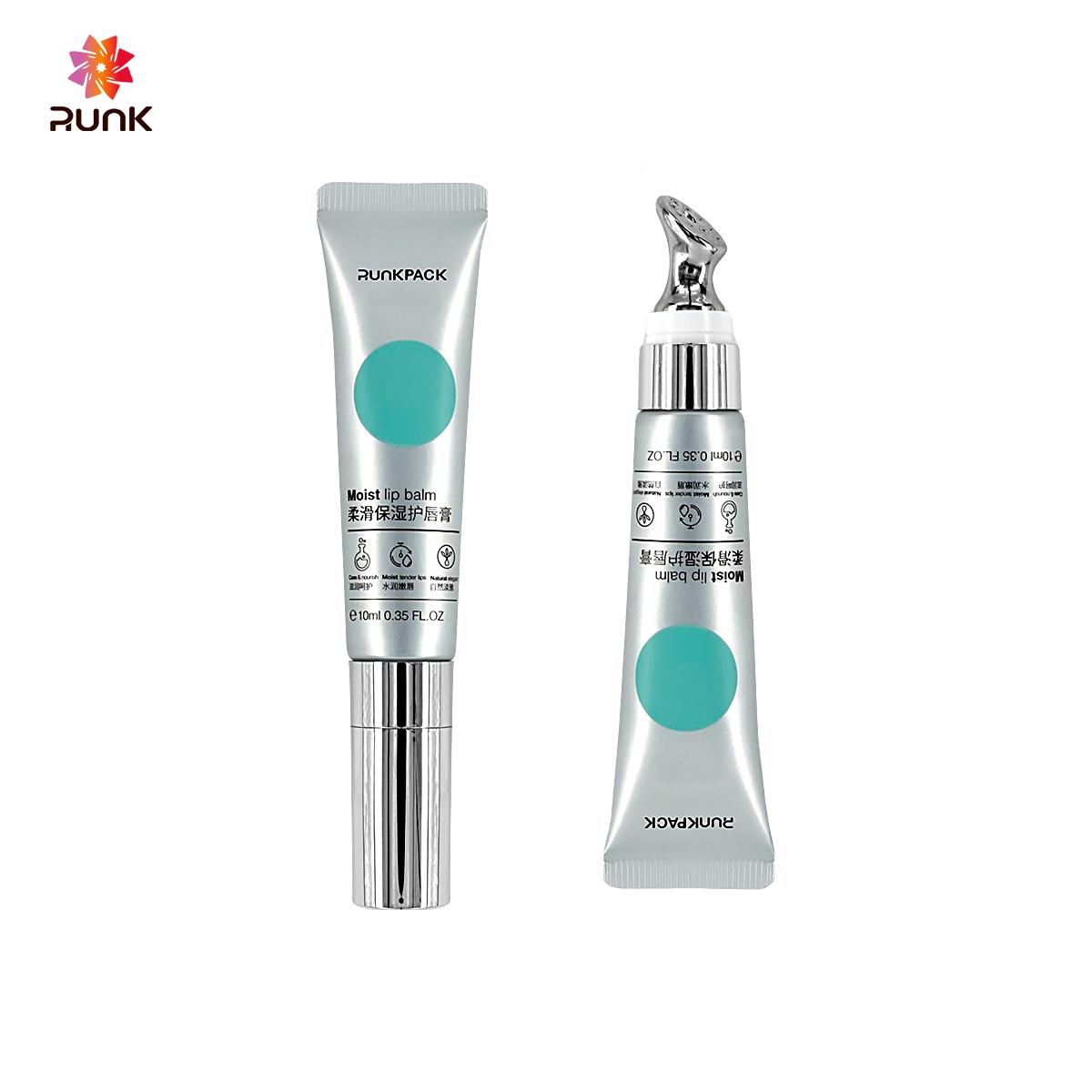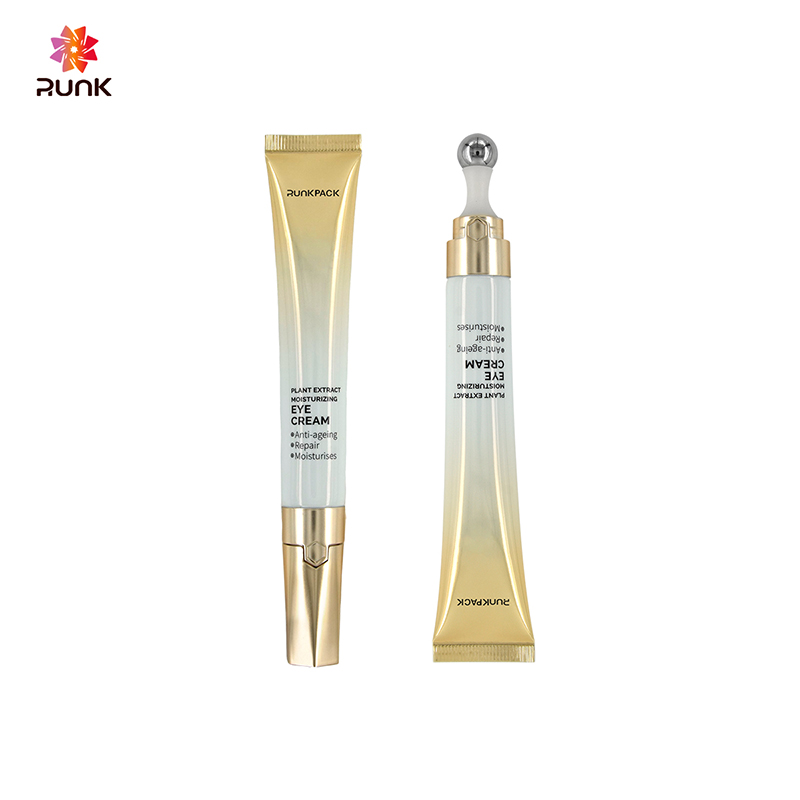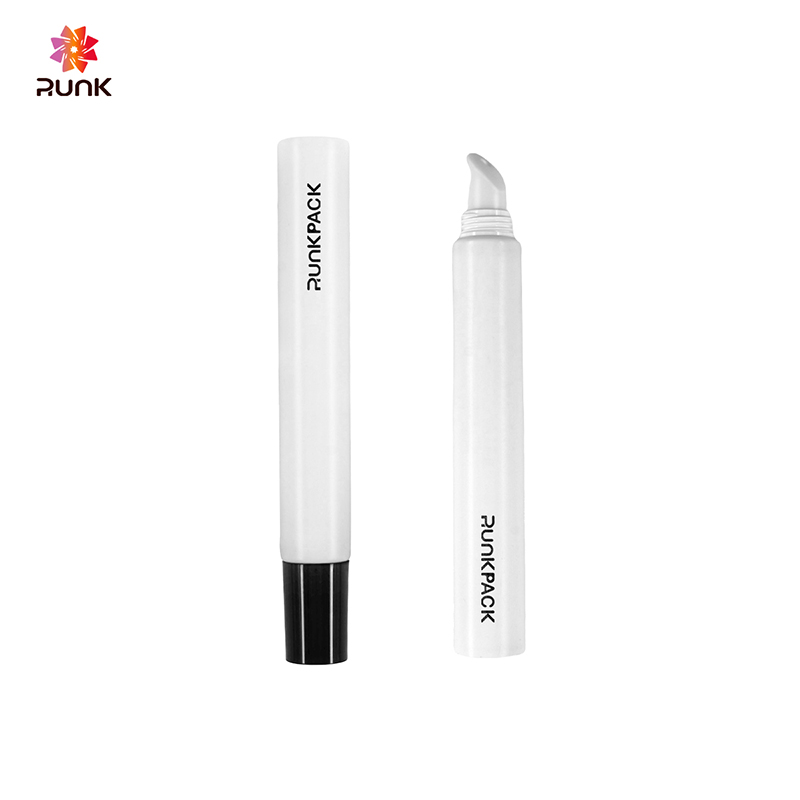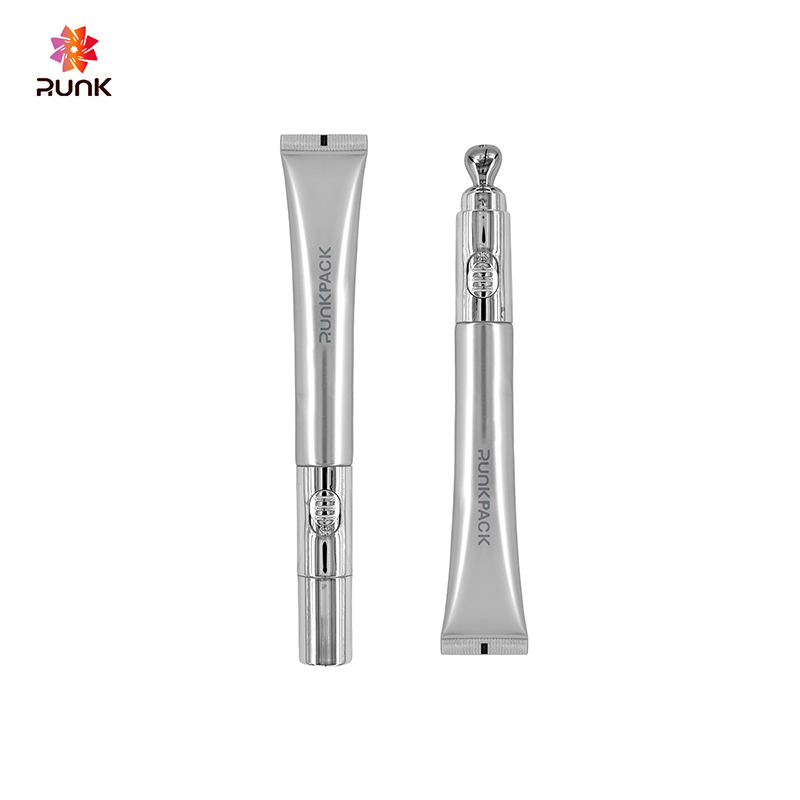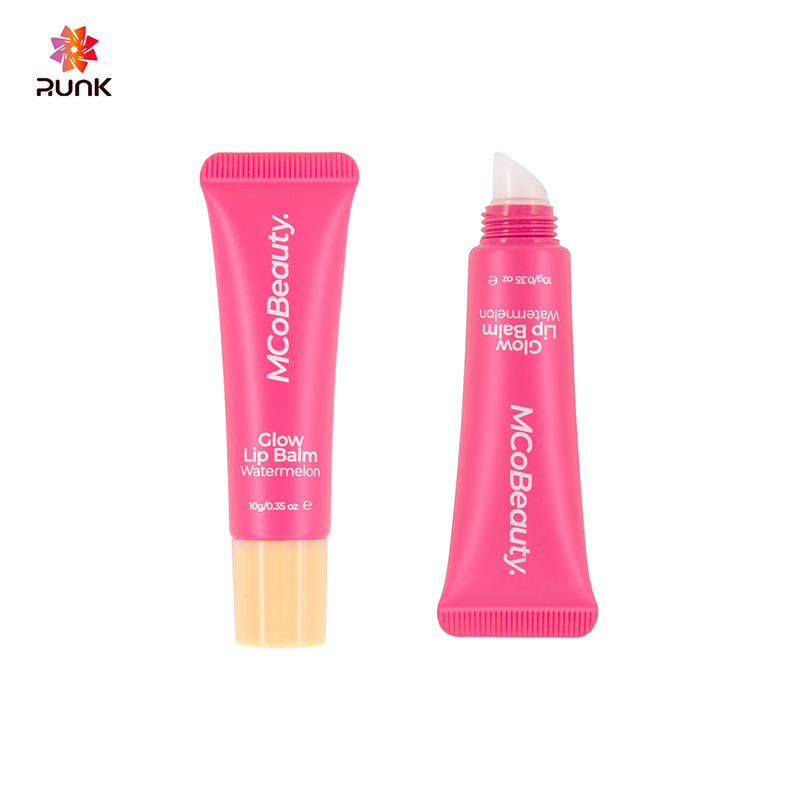
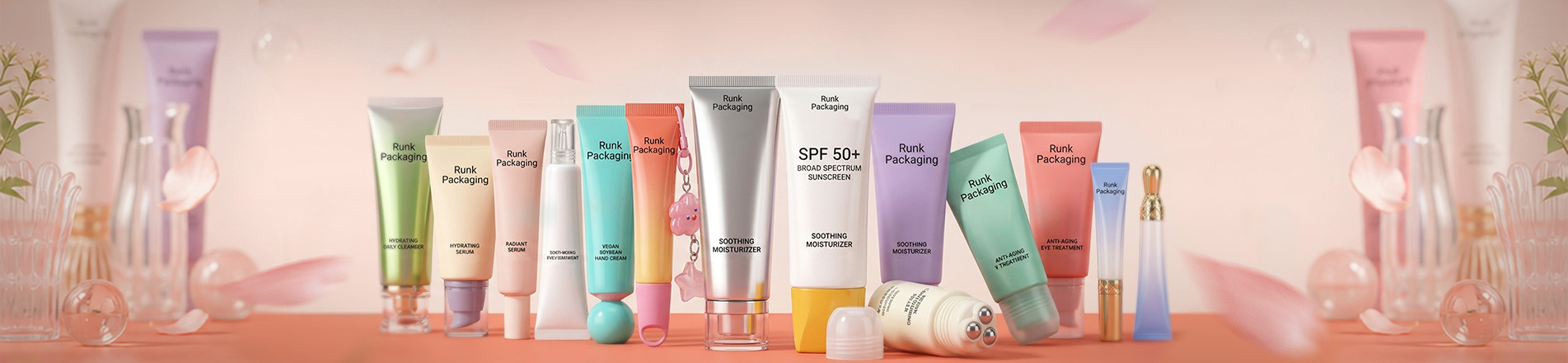
Da Nachhaltigkeit in der Schönheits- und Körperpflegeindustrie ein immer wichtigerer Faktor wird, sehen sich Verpackungshersteller und Kosmetikmarken mit neuen Erwartungen hinsichtlich Materialauswahl, Recyclingfähigkeit, Verpackungsminimierung und verantwortungsvollem Abfallmanagement konfrontiert.
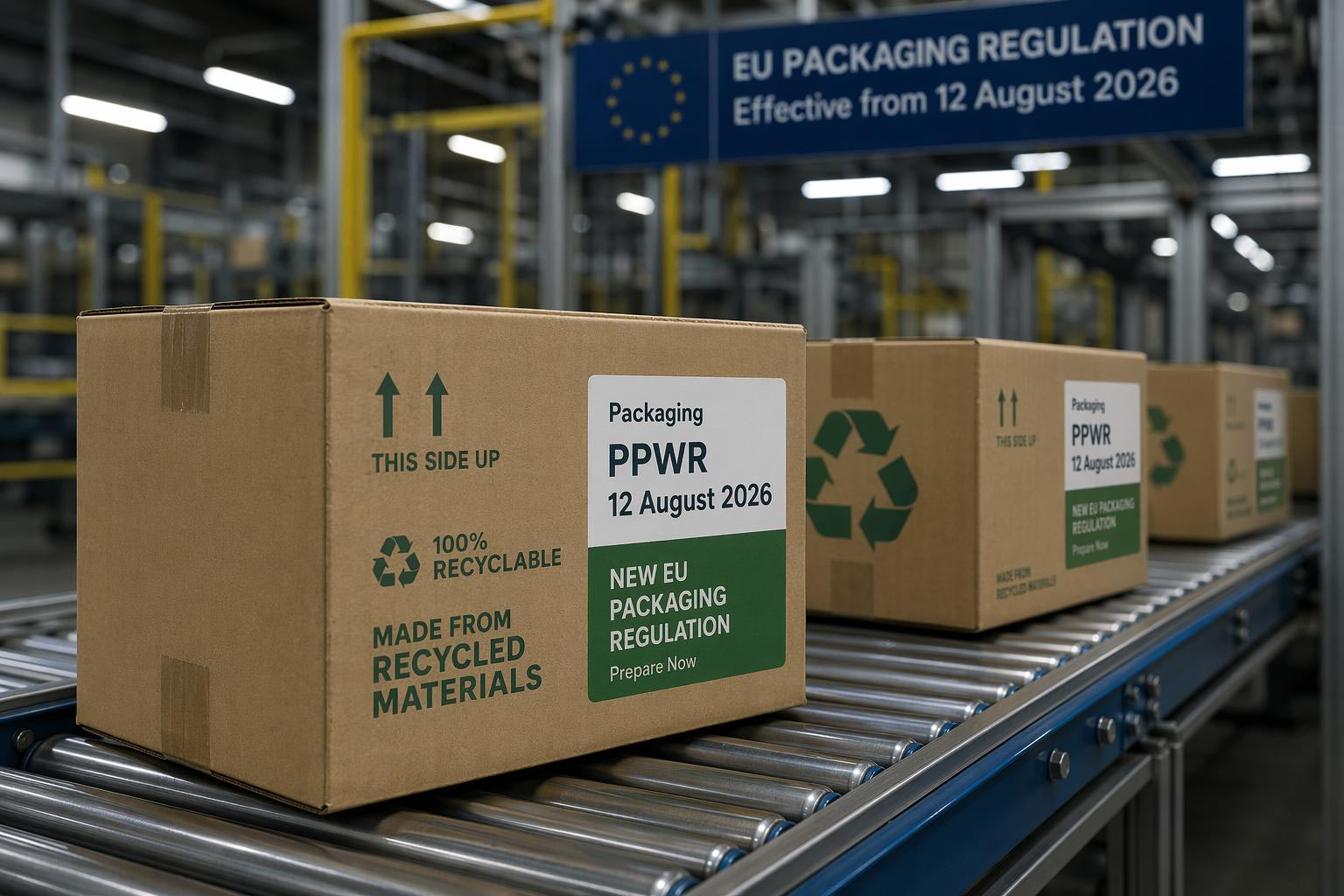
Die EU-Verordnung über Verpackungen und Verpackungsabfälle (PPWR) ist ein wichtiger Schritt hin zu einem Kreislaufsystem für Verpackungen. Die Verordnung (EU) 2025/40 trat am 11. Februar 2025 in Kraft und gilt seit dem 12. August 2026. Sie legt Anforderungen in Bezug auf Nachhaltigkeit, Recyclingfähigkeit, Abfallvermeidung, Kennzeichnung, Recyclinganteil, Wiederverwendung und erweiterte Herstellerverantwortung von Verpackungen fest.
Für Kosmetikmarken, die Tuben für Hautpflege-, Haarpflege-, Körperpflege- und sonstige Pflegeprodukte verwenden, ist PPWR nicht nur eine regulatorische Angelegenheit. Es bietet auch die Chance, das Verpackungsdesign zu überdenken und auf verantwortungsvollere Tubenlösungen umzusteigen.
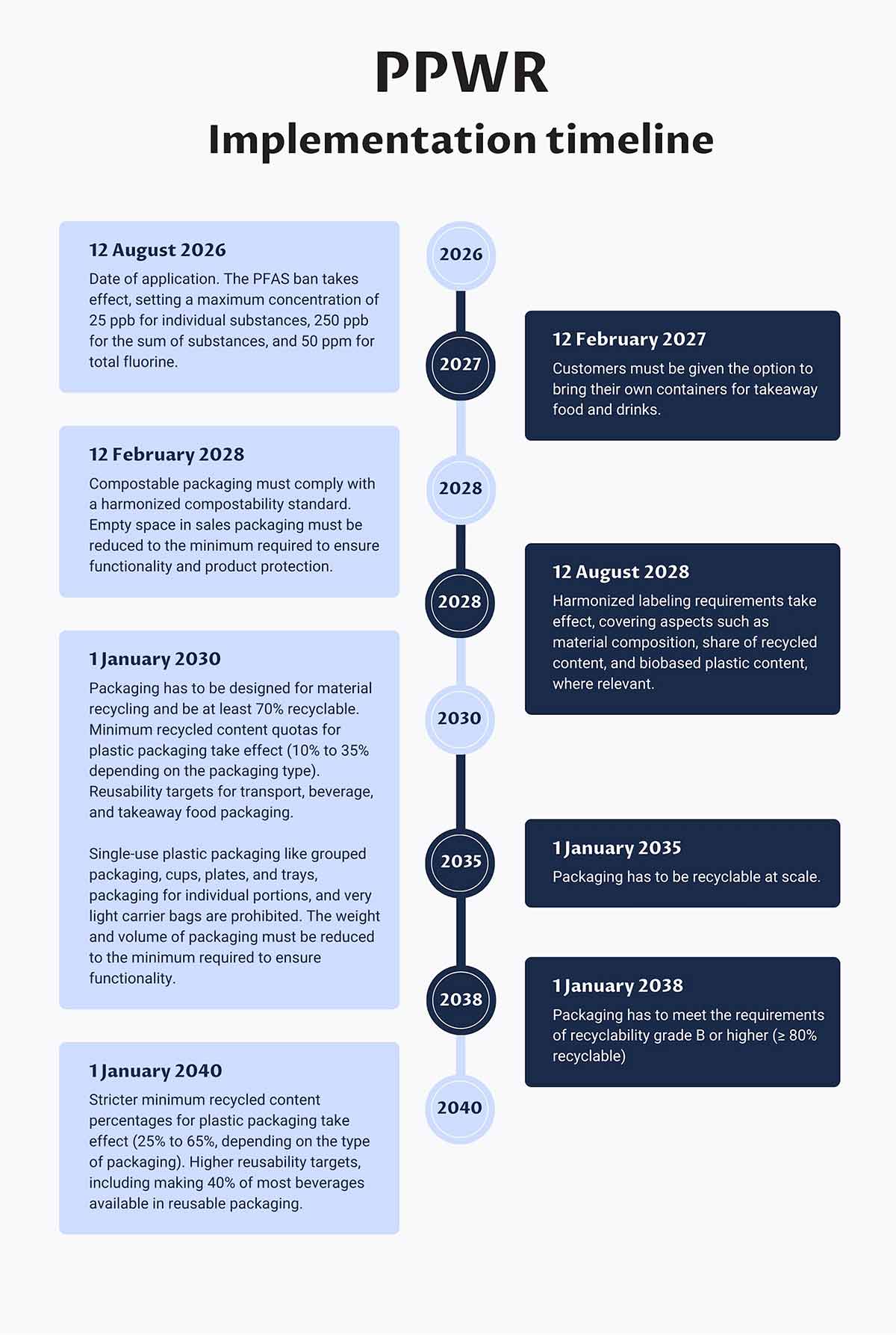
PPWR steht für Packaging and Packaging Waste Regulation (Verordnung über Verpackungen und Verpackungsabfälle).
Die Verordnung zielt darauf ab, Verpackungsabfälle zu reduzieren und eine Kreislaufwirtschaft entlang des gesamten Verpackungslebenszyklus zu fördern. Sie gilt grundsätzlich für Verpackungen, die auf dem EU-Markt in Verkehr gebracht werden, unabhängig vom Herstellungsort.
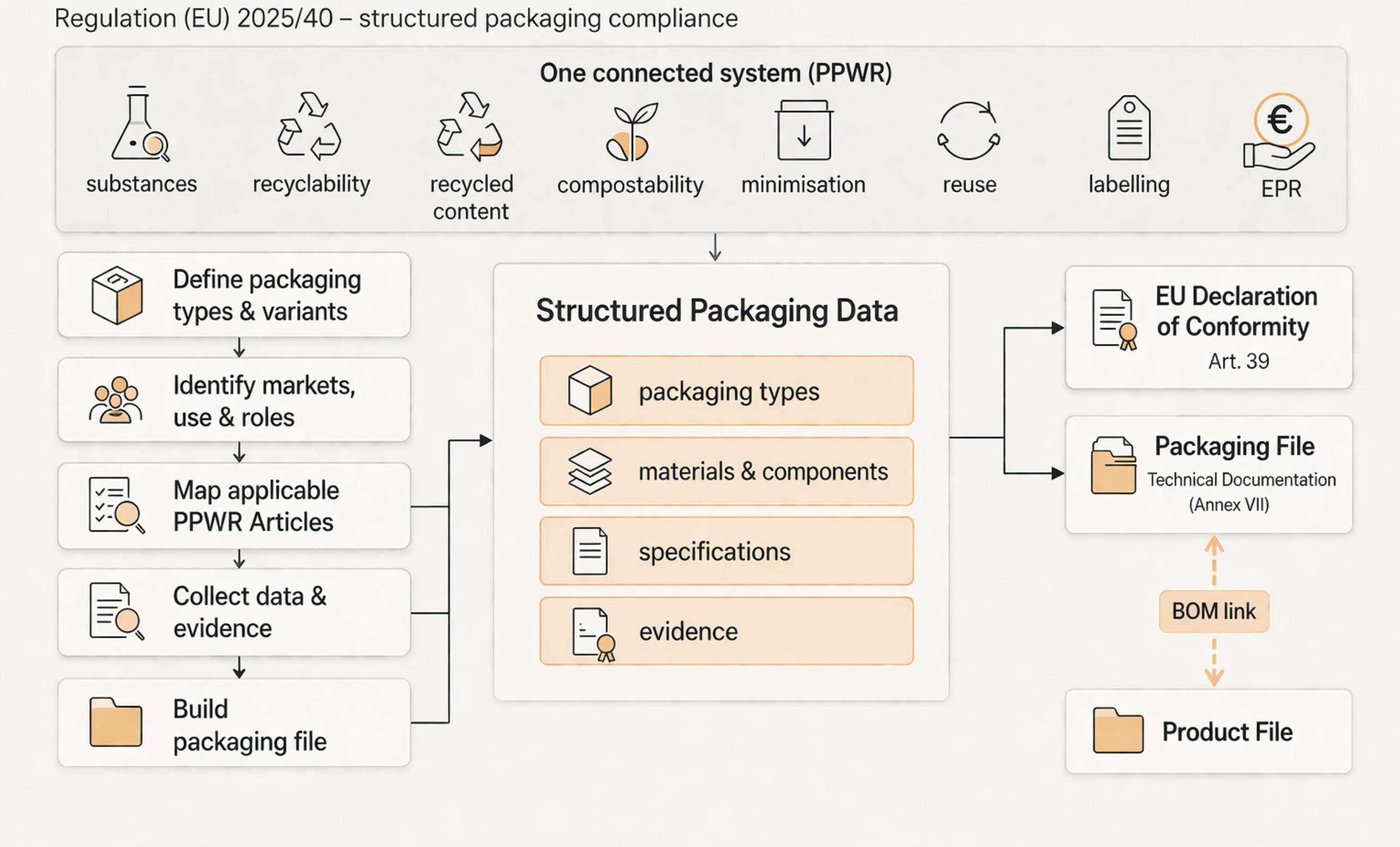
Die Verordnung konzentriert sich auf mehrere wichtige Bereiche, darunter:
Verpackungsminimierung
Recyclingfähigkeit
Recyclingmaterial
Wiederverwenden und nachfüllen
Nachhaltiges Verpackungsdesign
Verpackungskennzeichnung
Abfallreduzierung
Erweiterte Herstellerverantwortung
Beschränkungen für bestimmte unnötige Verpackungsformate
Für Hersteller von Kosmetikverpackungen bedeutet dies, dass beim Verpackungsdesign nicht nur Aussehen und Funktionalität berücksichtigt werden müssen, sondern auch, was mit der Verpackung nach der Verwendung des Produkts geschieht.
Kosmetiktuben werden häufig für Gesichtsreiniger, Cremes, Lotionen, Sonnenschutzmittel, Handcremes, Haarpflegeprodukte, Körperpeelings und andere Schönheitsprodukte verwendet.
Angesichts der zunehmenden Nachhaltigkeitsanforderungen in Europa suchen Marken vermehrt nach Verpackungen, die Produktschutz, bequeme Dosierung, geringes Gewicht und verbesserte Recyclingfähigkeit vereinen.
Dies macht die Materialauswahl besonders wichtig.
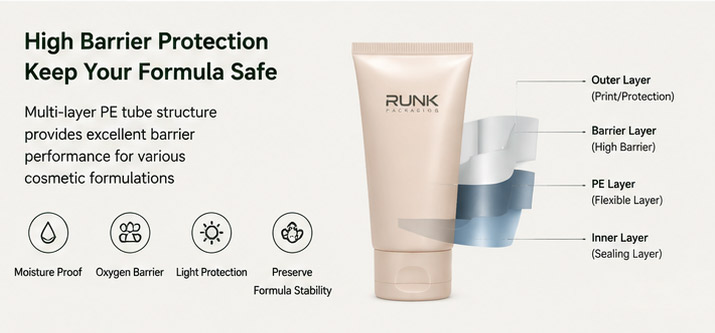
Eine Kosmetiktube kann mehrere Komponenten enthalten, wie zum Beispiel:
Rohrkörper
Schulter
Kappe
Barriereschicht
Dekoration
Druck- oder Veredelungsmaterialien
Bei der Bewertung der Nachhaltigkeit und Recyclingfähigkeit muss die gesamte Verpackungsstruktur berücksichtigt werden.
Für Marken, die auf europäische Märkte abzielen, kann die Wahl einer Tubenstruktur, die ein verantwortungsvolles Verpackungsdesign unterstützt, dazu beitragen, Produkte auf die sich entwickelnden Anforderungen der PPWR vorzubereiten.
Eine der Hauptaufgaben von PPWR ist die Verbesserung der Recyclingfähigkeit von Verpackungen.
Für Kosmetiktubenverpackungen regt dies Marken und Hersteller dazu an, zu überlegen, wie die Tube und ihre Komponenten so gestaltet werden können, dass sie besser in bestehende Recyclingsysteme integriert werden können.
Eine schlankere Materialstruktur kann potenziell das Verpackungsdesign vereinfachen und ein besseres Entsorgungsmanagement unterstützen.
Bei Runk konzentrieren wir uns auf die Entwicklung von Kosmetiktubenlösungen, wobei wir die Materialauswahl und die Verpackungsstruktur im Blick haben. Wir helfen Marken dabei, nachhaltigere Optionen zu erkunden, ohne dabei die für moderne Schönheitsprodukte erforderliche Funktionalität zu beeinträchtigen.
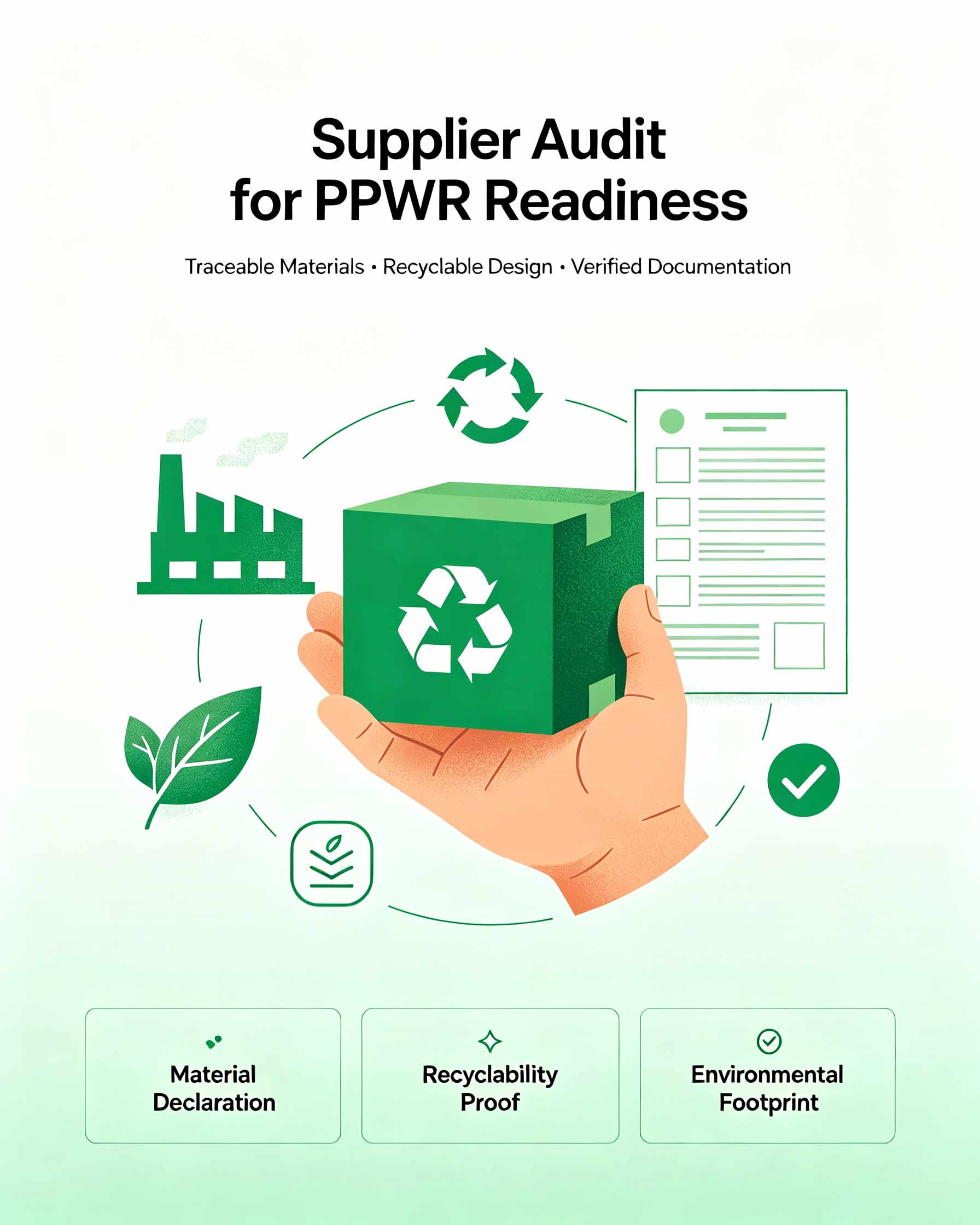
PPWR legt außerdem Wert auf die Minimierung von Gewicht und Volumen der Verpackung bei gleichzeitiger Aufrechterhaltung der notwendigen Funktionalität.
Für Kosmetikmarken bieten leichte Tuben mehrere Vorteile.
Im Vergleich zu unnötig schweren Verpackungen können optimierte Kosmetiktuben dazu beitragen, den Materialverbrauch zu reduzieren und möglicherweise auch einen effizienteren Transport zu ermöglichen.
Bei Produkten, die international hergestellt und versendet werden, kann das Verpackungsgewicht in der gesamten Lieferkette zu einem wichtigen Faktor werden.
Deshalb sollte die Entwicklung moderner Kosmetiktuben ein Gleichgewicht finden:
Schutz + Funktionalität + Aussehen + Materialeffizienz + Nachhaltigkeit
Anstatt einfach mehr Material hinzuzufügen, um ein hochwertiges Erscheinungsbild zu erzielen, können Marken optimierte Rohrstrukturen und dekorative Lösungen erforschen, die einen hochwertigen Look ohne unnötiges Verpackungsgewicht erreichen.
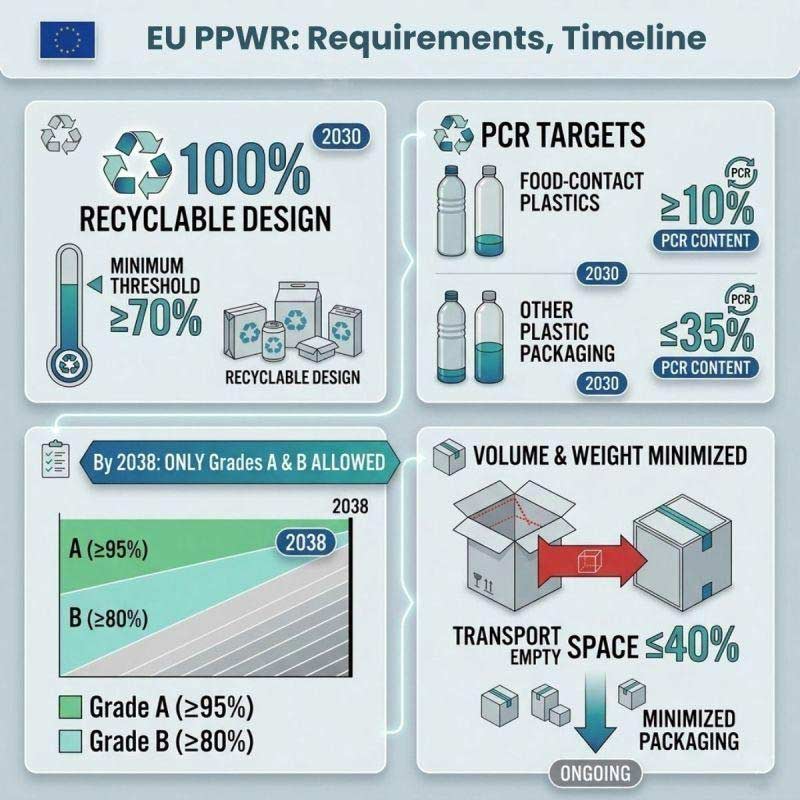
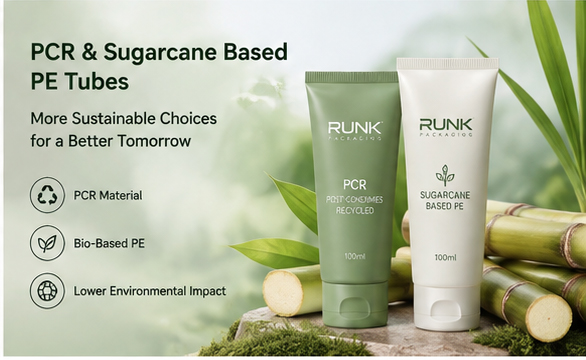
Post-Consumer-Recyclingmaterialien, allgemein bekannt als PCR, gewinnen im Bereich nachhaltiger Kosmetikverpackungen zunehmend an Bedeutung.
PCR-Materialien werden aus recyceltem Kunststoff aus Post-Consumer-Abfallströmen hergestellt und können dazu beitragen, die Abhängigkeit von neuem Kunststoff zu verringern.
Für Kosmetiktubenverpackungen kann PCR für geeignete Anwendungen in Betracht gezogen werden, bei denen der erforderliche Produktschutz, das Erscheinungsbild, die Verarbeitungseigenschaften und die regulatorischen Anforderungen erfüllt werden können.
PCR-Röhrchen können in verschiedenen Farben, Kapazitäten, Dekorationsmethoden und Strukturen individuell gestaltet werden, sodass Marken Nachhaltigkeit in ihre bestehenden Verpackungskonzepte integrieren können.
Für Marken, die neue Produkte für den europäischen Markt entwickeln, kann die frühzeitige Erörterung von PCR-Optionen mit Verpackungslieferanten die Entwicklung nachhaltiger Verpackungen effizienter gestalten.
Eine weitere Option für Marken, die nachhaltige Kosmetiktuben in Betracht ziehen, ist Polyethylen auf Zuckerrohrbasis.
Bei PE auf Zuckerrohrbasis handelt es sich um ein biobasiertes Polyethylenmaterial, das aus nachwachsenden Rohstoffen gewonnen wird und nicht ausschließlich auf fossilen Rohstoffen beruht.
Es bietet ein vertrautes PE-Verpackungserlebnis und gibt Marken gleichzeitig eine weitere Möglichkeit, Verpackungen mit einer Geschichte über nachwachsende Rohstoffe zu entwickeln.
Für Hautpflege-, Haarpflege-, Körperpflege- und andere Körperpflegeanwendungen können Tuben aus Zuckerrohr-PE an die jeweiligen Produktanforderungen angepasst werden, einschließlich Fassungsvermögen, Tubenfarbe, Verschlussdesign, Bedruckung und Oberflächenveredelung.
Dies macht biobasierte Materialien zu einer interessanten Option für Marken, die Verpackungsfunktionalität mit Nachhaltigkeitszielen verbinden möchten.
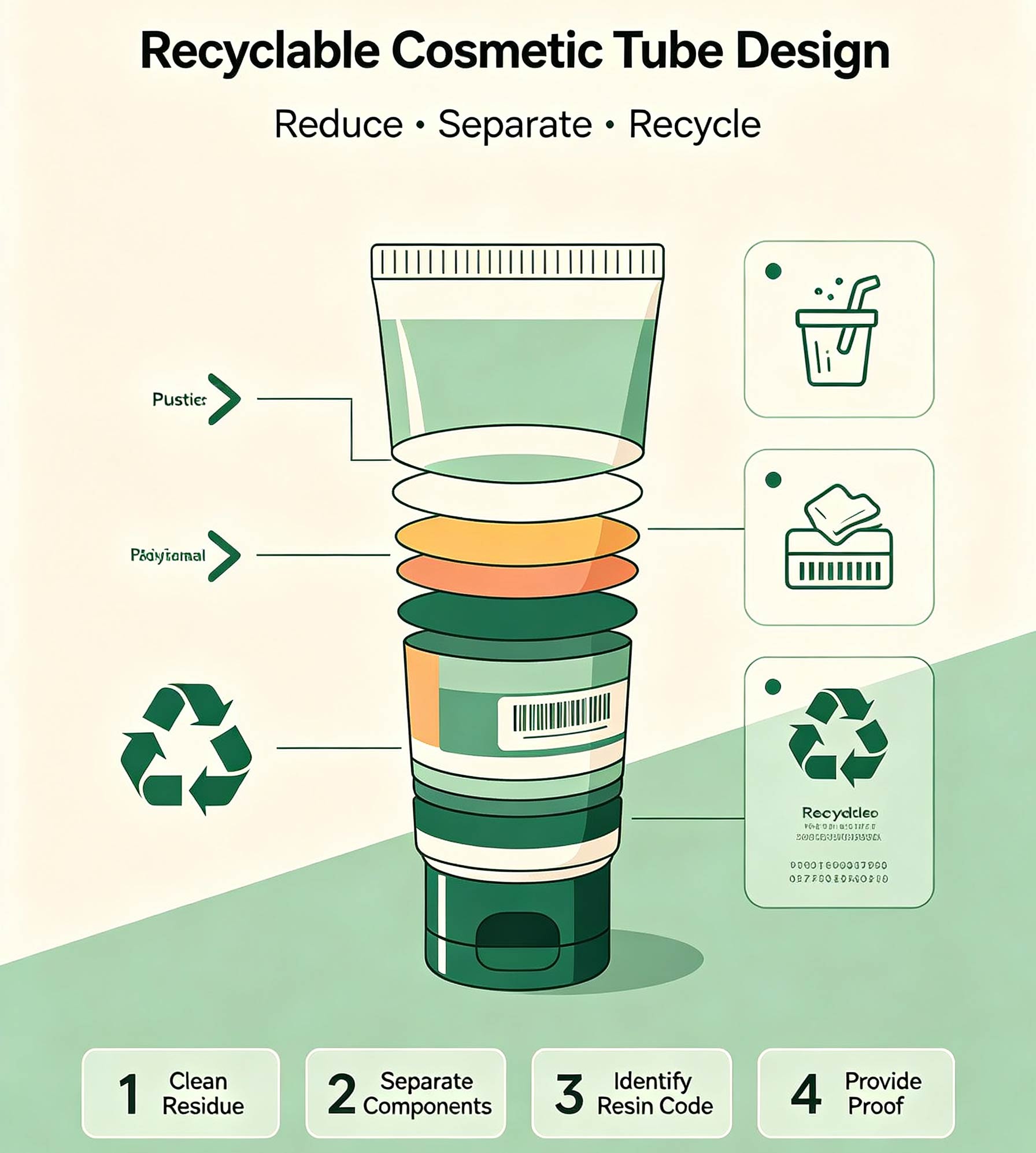
Bei Kosmetikprodukten ist die Verpackung ein wichtiger Bestandteil des Kundenerlebnisses.
Eine nachhaltige Röhre muss dennoch attraktiv aussehen, die Markenidentität vermitteln und ein komfortables Benutzererlebnis bieten.
Die moderne Herstellung von Kosmetiktuben ermöglicht es Marken, nachhaltige Materialoptionen mit verschiedenen Dekorationstechnologien zu kombinieren, darunter:
Siebdruck
Offsetdruck
Heißprägung
Matte oder glänzende Oberflächen
Sonderfarben
Individuell gestaltete Kappen
Prägungen und andere dekorative Effekte
Ziel ist es nicht einfach, eine „grün aussehende“ Verpackung zu erstellen.
Das Ziel ist vielmehr, eine Verpackung zu entwickeln, die Markenidentität, Produktfunktionalität, Materialeffizienz und Nachhaltigkeitsaspekte in Einklang bringt.
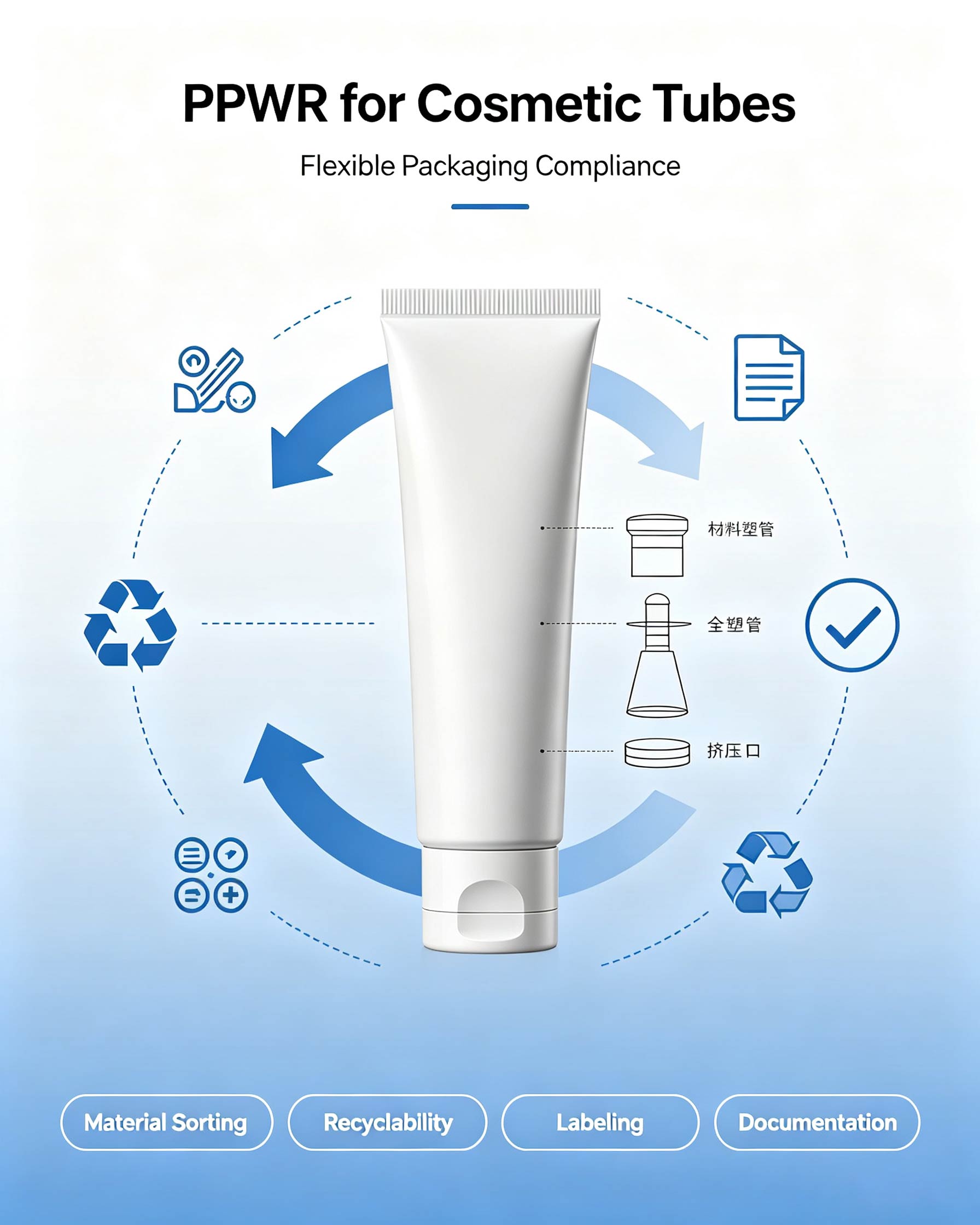
Für Kosmetikmarken, die Produkte für den EU-Markt vorbereiten, sollte die Einhaltung der Verpackungsvorschriften idealerweise vor der Auswahl der endgültigen Verpackungsstruktur berücksichtigt werden.
Der Wechsel von Verpackungsmaterialien am Ende eines Produktentwicklungszyklus kann die Entwicklungszeit und die Kosten erhöhen.
Stattdessen können Marken die folgenden Faktoren zu Beginn mit ihrem Verpackungslieferanten besprechen:
Produkttyp
Was wird der Inhalt des Röhrchens sein?
Creme, Lotion, Reinigungsmittel, Sonnenschutzmittel, Peeling, Shampoo, Spülung oder eine andere Formulierung?
Materialauswahl
Soll für die Verpackung herkömmliches PE, PCR-Materialien, PE auf Zuckerrohrbasis oder eine andere geeignete Struktur verwendet werden?
Röhrenstruktur
Benötigt das Produkt eine Standard-Rohrkonstruktion oder zusätzliche Barriereeigenschaften?
Kappe und Komponenten
Können der Verschluss und andere Verpackungskomponenten im Hinblick auf den vorgesehenen Anwendungszweck und die Recyclingaspekte optimiert werden?
Dekoration
Welche Druck- und Veredelungsverfahren ermöglichen das gewünschte Erscheinungsbild unter Beibehaltung der Gesamtverpackungsstrategie?
Zielmarkt
Wird das Produkt in der EU oder in anderen Märkten mit zunehmend strengen Verpackungsvorschriften verkauft werden?
Eine frühzeitige Planung ermöglicht es Marken und Verpackungslieferanten, diese Faktoren gemeinsam zu bewerten, anstatt Nachhaltigkeit erst im Nachhinein zu berücksichtigen.
Als Hersteller von Kosmetikverpackungen versteht Runk, dass die Schönheitsmarken von heute mehr als nur eine attraktive Verpackung suchen.
Sie benötigen eine Verpackung, die Folgendes kombinieren kann:
Funktionalität + Individualisierung + Markenattraktivität + Materialinnovation + Nachhaltigkeit
Unsere Kosmetiktubenlösungen können für eine breite Palette von Schönheits- und Körperpflegeanwendungen entwickelt werden, darunter Hautpflege, Haarpflege, Körperpflege, Handpflege, Sonnenschutzmittel, Reinigungsprodukte und vieles mehr.
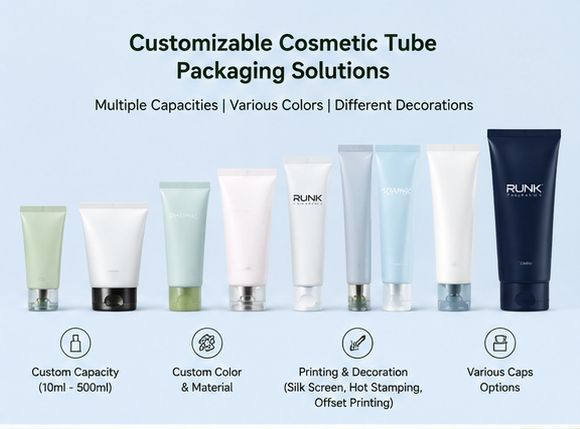
Je nach Projektanforderungen können Marken verschiedene Material- und Strukturoptionen in Betracht ziehen, darunter PE-Rohre, PCR-basierte Rohre und PE-Rohre auf Zuckerrohrbasis.
Wir unterstützen auch kundenspezifische Füllmengen, Farben, Tubenstrukturen, Verschlüsse, Bedruckung und Oberflächengestaltung, um Marken dabei zu helfen, Verpackungen zu entwickeln, die zu ihrer Produktpositionierung passen.
Da PPWR zunehmend auf dem europäischen Markt Anwendung findet, kann die Wahl des richtigen Verpackungspartners Marken dabei helfen, ihre Verpackungsoptionen besser zu verstehen und sich auf die sich wandelnden Nachhaltigkeitserwartungen vorzubereiten.
Für Marken, die Produkte für den europäischen Markt entwickeln, kann eine verantwortungsvollere Tubenverpackungsstrategie mehrere potenzielle Vorteile bieten:
Leichte und optimierte Rohrkonstruktionen können dazu beitragen, unnötiges Verpackungsmaterial zu reduzieren und gleichzeitig die Produktfunktionalität zu erhalten.
PCR und biobasiertes PE bieten zusätzliche Optionen für Marken, die Alternativen zu herkömmlichen Neuplastikmaterialien suchen.
Nachhaltige Verpackungen müssen nicht einheitlich aussehen. Marken können Farben, Füllmengen, Aufdrucke, Verschlüsse und Oberflächen individuell gestalten.
Die Berücksichtigung von Nachhaltigkeitsanforderungen bereits in der frühen Produktentwicklungsphase kann Marken dabei helfen, sich auf veränderte Markterwartungen vorzubereiten.
Verpackungen, die unter Berücksichtigung von PPWR-bezogenen Aspekten konzipiert sind, können Marken dabei helfen, fundiertere Entscheidungen bei der Entwicklung von Produkten für den europäischen Markt zu treffen.
PPWR verändert die Art und Weise, wie Verpackungen während ihres gesamten Lebenszyklus entworfen, hergestellt, bewertet und verwaltet werden.
Für Kosmetikmarken geht es bei diesem Wandel nicht nur darum, neue regulatorische Anforderungen zu erfüllen. Es geht auch darum, auf die Bedürfnisse der Verbraucher einzugehen, denen verantwortungsvolle Verpackungen und die Umweltauswirkungen von Kosmetikprodukten zunehmend wichtig sind.
Die Zukunft von Kosmetiktubenverpackungen wird sich voraussichtlich stärker auf Folgendes konzentrieren:
Recyclingfähigkeit
Recycelte Materialien
Erneuerbare Materialien
Leichtbaukonstruktionen
Verpackungsminimierung
Verantwortungsvolle Komponentenauswahl
Verbesserte Berücksichtigung des Lebensendes
Transparente Nachhaltigkeitskommunikation
Wir bei Runk sind der Überzeugung, dass eine nachhaltige Verpackungsentwicklung Umweltaspekte mit den praktischen Bedürfnissen von Kosmetikmarken verbinden sollte.
Von Standard-PE-Kosmetiktuben bis hin zu PCR- und zuckerrohrbasierten PE-Lösungen erforschen wir kontinuierlich Verpackungsoptionen, die Marken auf dem Weg in eine nachhaltigere Zukunft unterstützen.
Wenn Sie ein Kosmetikprodukt für den europäischen Markt entwickeln und nach einer geeigneten Tubenverpackungslösung suchen, kann unser Team mit Ihnen zusammenarbeiten, um Material, Struktur, Fassungsvermögen, Dekoration und individuelle Anpassungsanforderungen zu bewerten.
Runk – Maßgeschneiderte Kosmetiktubenverpackungen für eine nachhaltigere Schönheitsindustrie.
Ja. Die PPWR gilt im Allgemeinen für Verpackungen, die auf dem EU-Markt in Verkehr gebracht werden, einschließlich Verpackungen für Kosmetik- und Körperpflegeprodukte. Die Verordnung umfasst Nachhaltigkeit, Recyclingfähigkeit, Abfallminimierung, Kennzeichnung und weitere Anforderungen an Verpackungen.
Die PPWR-Verordnung bedeutet nicht, dass jede Kosmetiktube zwingend aus PCR hergestellt sein muss. Sie führt weitergehende Nachhaltigkeitsanforderungen ein, darunter Bestimmungen zum Recyclinganteil in bestimmten Kunststoffverpackungen sowie Anforderungen an die Recyclingfähigkeit und Verpackung.
Die konkreten Pflichten hängen von der Verpackungsart und den geltenden Bestimmungen ab.
Ein biobasiertes Material bedeutet nicht automatisch, dass eine Verpackung alle Anforderungen der PPWR erfüllt. Die Konformität muss anhand der gesamten Verpackungsstruktur und der jeweils geltenden Anforderungen bewertet werden.
Ja. Tubenstrukturen lassen sich hinsichtlich Rezeptur, Abfüllverfahren, Barriereanforderungen, Dosierleistung und erwarteter Produktverwendung optimieren. Ziel ist es, unnötiges Material zu vermeiden und gleichzeitig die erforderliche Funktionalität zu erhalten.
Ja. Nachhaltige Materialauswahl kann je nach gewählter Rohrstruktur und Materialwahl mit individuellen Farben, Bedruckung, Heißprägung, matten oder glänzenden Oberflächen und anderen Dekorationstechniken kombiniert werden.
Ja. Eine frühzeitige Verpackungsplanung erleichtert die Bewertung von Materialoptionen, Struktur, Dekoration und Nachhaltigkeitsanforderungen vor der Massenproduktion.
Nein. Die Verordnung gilt für Verpackungen, die auf dem EU-Markt in Verkehr gebracht werden, unabhängig vom Herstellungsort. Das bedeutet, dass Hersteller und Lieferanten außerhalb der EU die PPWR-Anforderungen gegebenenfalls auch bei der Lieferung von Verpackungen für in Europa verkaufte Produkte berücksichtigen müssen.
Marken können Fragen stellen zu:
Rohrmaterial und Zusammensetzung
PCR-Verfügbarkeit
Biobasierte PE-Optionen
Überlegungen zur Recyclingfähigkeit
Rohr- und Kappenstruktur
Leichtbauoptionen
Dekorationsmethoden
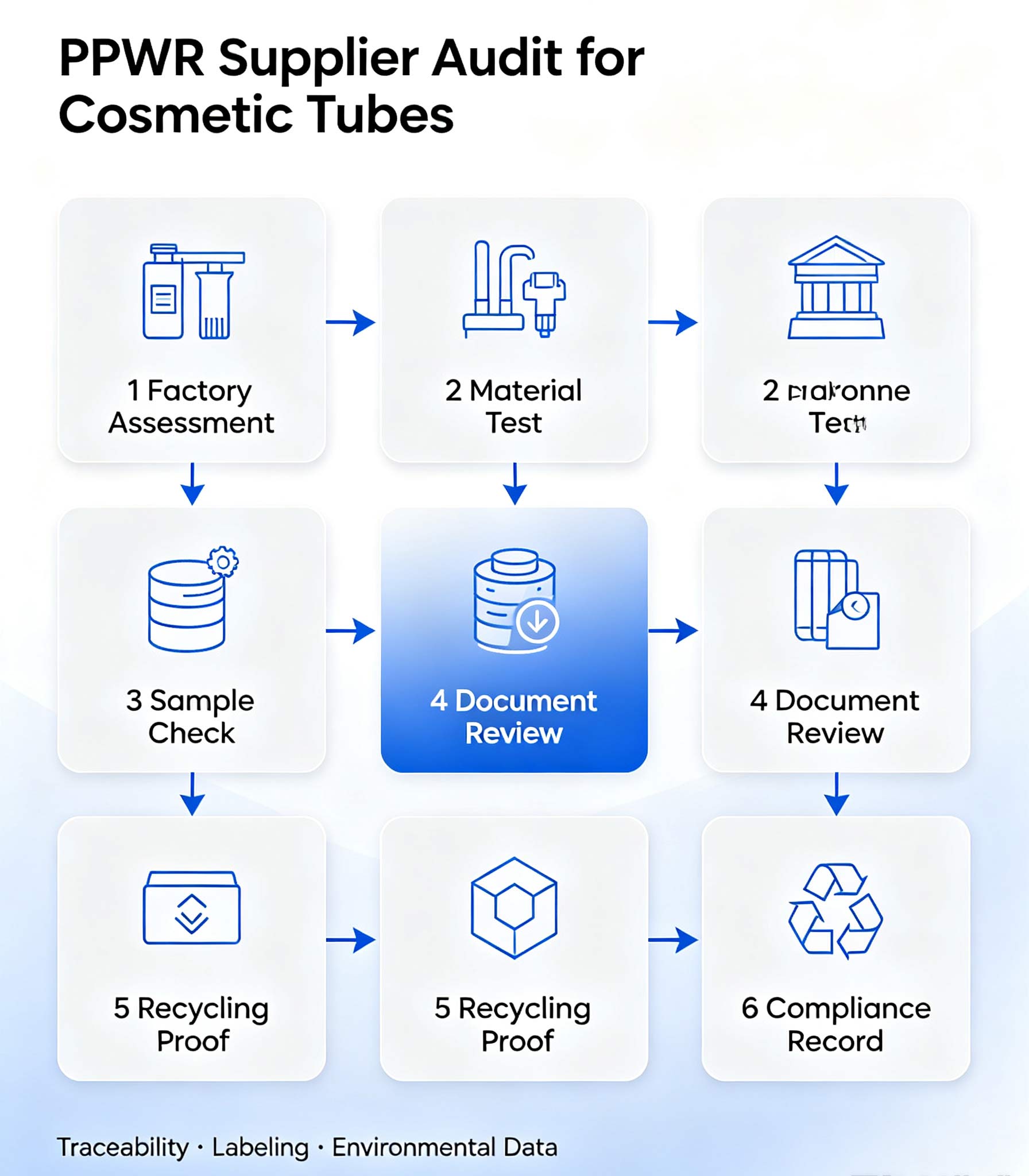
Relevante Dokumentation und Unterstützung bei der Einhaltung der Vorschriften
Produktionskapazitäten und Anpassungsoptionen
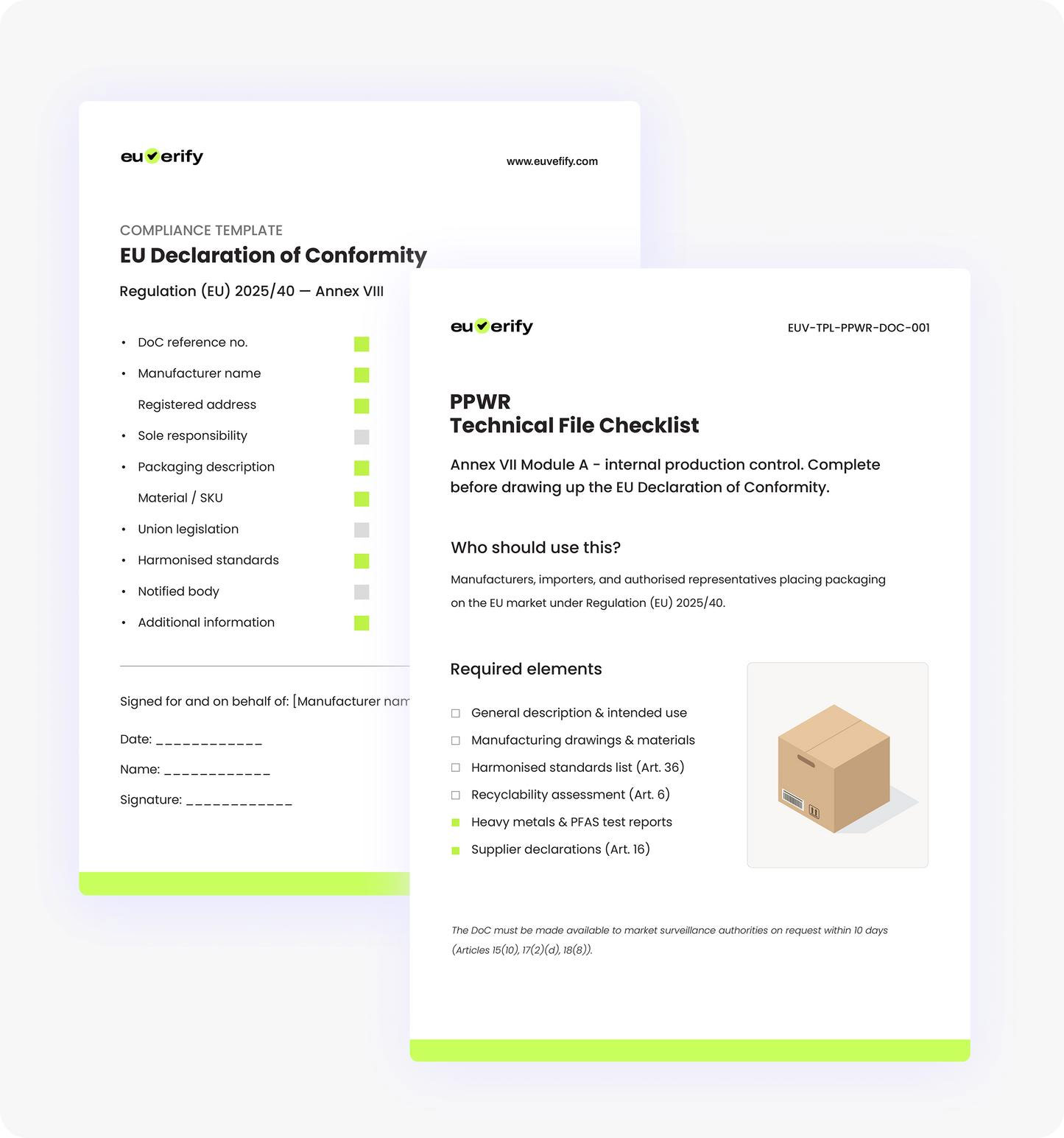
Die PPWR gilt ab dem 12. August 2026. Marken, die verpackte Produkte in der EU vertreiben, sollten daher ihre Verpackungsstrategien bereits jetzt überprüfen und die geltenden Anforderungen mit ihren Partnern aus den Bereichen Verpackung und Compliance besprechen. Die Europäische Kommission hat zudem Leitlinien zur Unterstützung der Umsetzung und zur Erläuterung ausgewählter Bestimmungen veröffentlicht.
PPWR markiert einen wichtigen Wandel hin zu nachhaltigeren Verpackungen auf dem europäischen Markt.
Bei Kosmetiktubenverpackungen bedeutet dies, dass die Materialauswahl, die Recyclingfähigkeit, die Minimierung der Verpackung, die Komponentengestaltung und Überlegungen zum Ende der Lebensdauer immer wichtiger werden.
Durch die Erforschung von PCR, PE auf Zuckerrohrbasis, optimierten PE-Strukturen und leichten Kosmetiktuben können Marken damit beginnen, Verpackungsstrategien zu entwickeln, die besser mit der Nachhaltigkeitsrichtung der Branche übereinstimmen.
Der Übergang zu verantwortungsvolleren Verpackungen ist keine Aufgabe, die Marken allein bewältigen müssen.
Mit dem richtigen Verpackungspartner kann Nachhaltigkeit von Anfang an Teil des Produktentwicklungsprozesses werden.
Runk ist bereit, Beauty-Marken mit maßgeschneiderten Kosmetiktuben-Verpackungslösungen für den heutigen Markt und die nachhaltigen Verpackungsanforderungen von morgen zu unterstützen.
Webseite:https://www.runkgroup.com | https://www.runkbottle.com/| https://runkpackaging.en.alibaba.com
Kontakt: info@runkgroup.com | +86-13128608159
Mit Sitz in Guangzhou, China – beliefert Beauty-Marken weltweit.


 IPv6-Netzwerk unterstützt
 Deutsch